Q & A:
Why should I clean my air ducts?
Better Air Quality: Helps remove dust, micro-pests, pollen and other allergens.
Better Furnace Performance: Regular cleaning adds longevity & efficiency to your system.
Odor Improvement: Can eliminate musky or stale orders even before using sanitizers.
Pest prevention: Reduces the risk of pests and rodents nesting in the ducts.
Why should I clean my dryer vent?
Safety: Dryer vent fires are a significant and under appreciated hazard as one of the leading causes of fires in the U.S. With the U.S. Consumer Product Safety Commission (CPSC) estimating around 15,500 fires annually. Regular cleaning reduces the risk of fire hazards and extends the lifespan of your dryer.
Improved Dryer Efficiency: A clean dryer vent ensures your dryer operates efficiently, drying clothes faster and using less energy.
Preventing Damage: A clogged vent can cause moisture buildup, leading to damp clothes and potential mold growth in your laundry area.
What is a negative air duct clean?
A negative air duct clean involves first putting a system under pressure from a negative air machine. Then cleaning from the openings (where supply & return registers are) with air tools such as brushes or air-whisks. This helps dislodge debris that is then pulled into a series of filters including a HEPA filter, inside the negative air machine. Without a HEPA filter the dust in your vents will be blown back into the house.
The trunklines are the biggest part of the ductwork in the system and must be cleaned as well for a proper cleaning.
A shop-vac and brushes will in no way adequately clean out a duct system. For residential purposes a negative air machine should be pulling at least 2000 CFM for a quality cleaning. Our residential machine is pulling at 3000 CFM.
Truck mount machines can be well above 10,000 CFM and are not recommended for anything outside of commercial or industrial purposes.
How often should I clean my air ducts?
Its generally recommended to have your air ducts cleaned every 3-5 years, but it can vary based on factors like your home’s environment, allergies, pets & any construction or remodeling you have had since cleaning.
What is the MPPS?
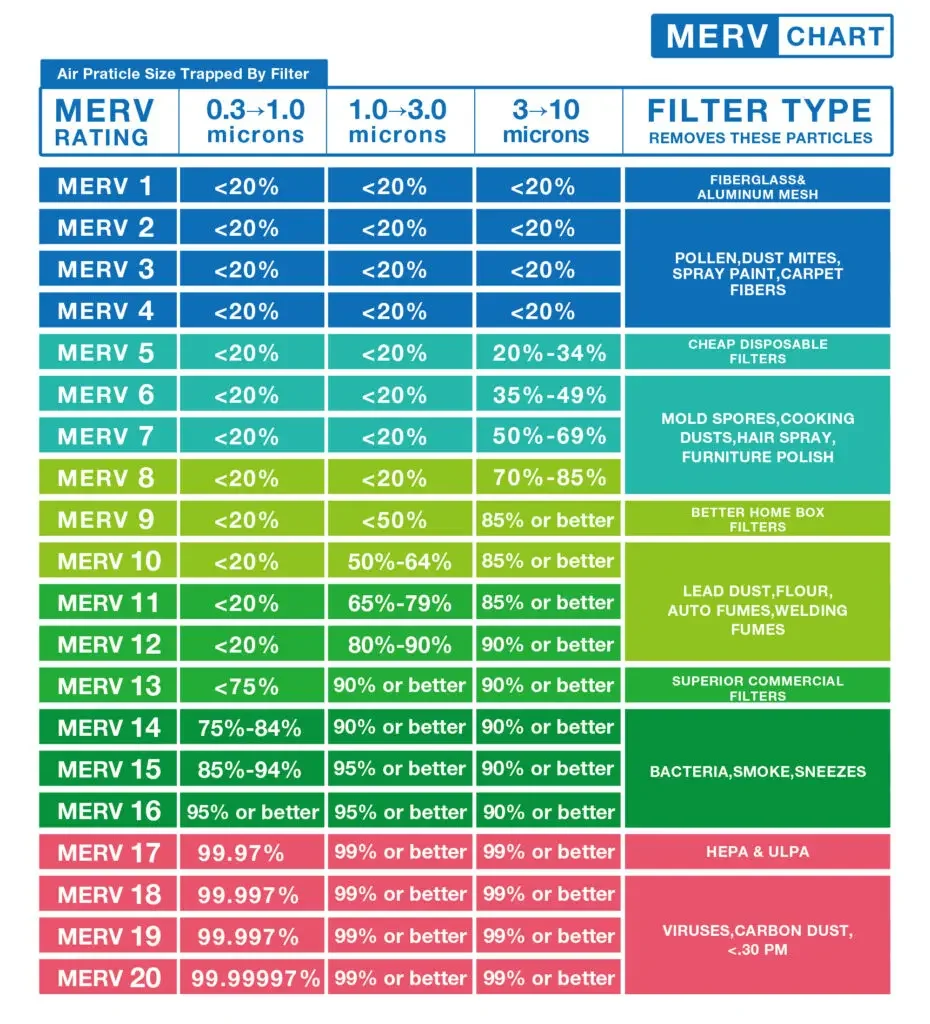
The most difficult particles to filter are around 0.3µm (microns/micrometers) in diameter. Particles are too small for impaction but too large for diffusion making them the most likely to get through filters.
Larger particles are easier to trap because they get caught by interception or impaction (they collide with filter fibers).
Smaller particles are easier to trap because they move randomly and stick to fibers via diffusion.
HEPA filters are rated to capture 99.97% of the MPPS and they perform better at capturing larger and smaller sizes.
What is an inversion and how does it affect air quality in the Salt Lake Valley?
An inversion is a weather phenomenon where a layer of warm air traps cooler air near the ground, preventing pollutants from dispersing. This trapped air contains pollutants from vehicles, industry and other sources which can be especially impactful on sensitive groups. Any outdoor pollutants can infiltrate indoor spaces if they aren’t cleaned or filtered out.
How do forest fires affect indoor air quality?
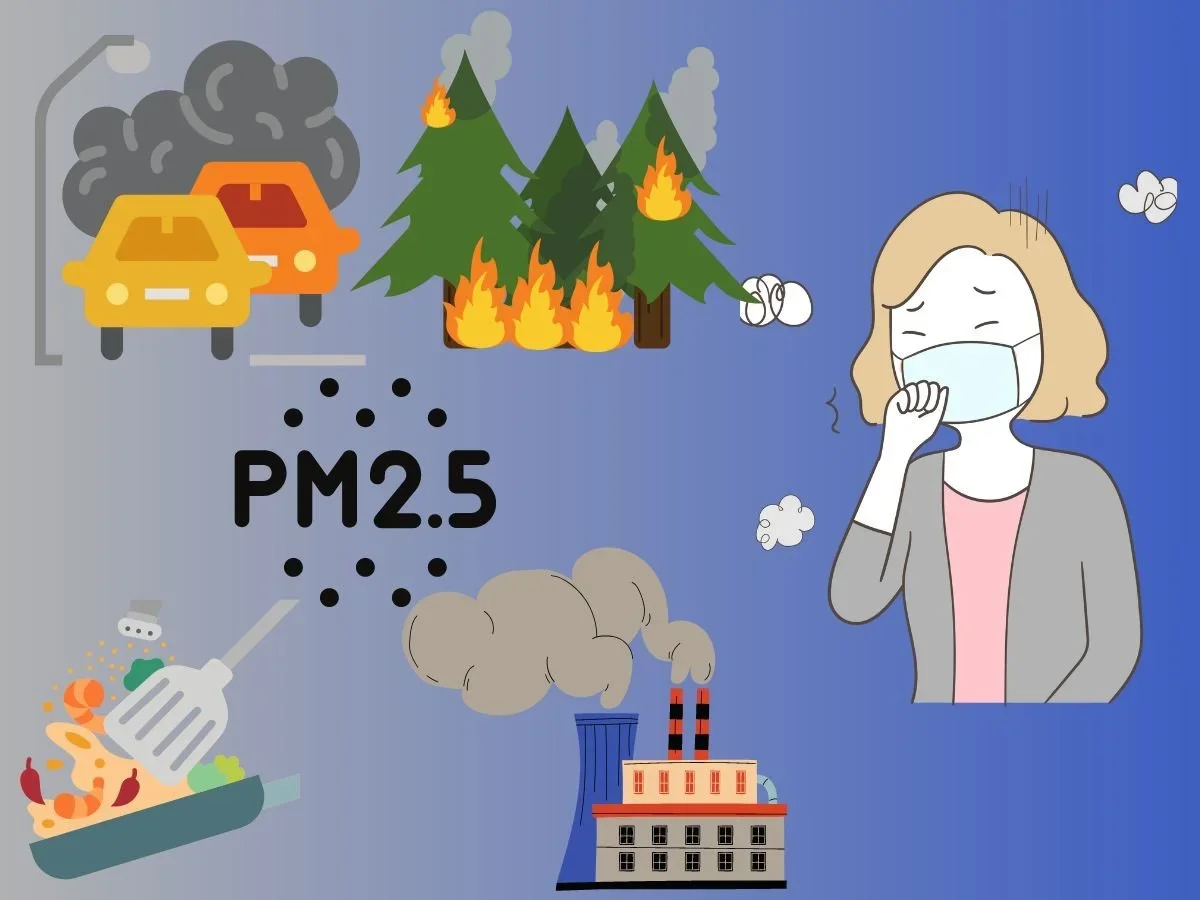
Fires release several harmful particles into the air, one of the most harmful is PM2.5. A tiny particle that can penetrate deep into the lungs and even enter the bloodstream, causing respiratory and cardiovascular issues.
What should I expect during the air duct cleaning process?
Comprehensive Vent Access: We will access every vent and return in your home, ensuring thorough cleaning throughout your system. Please ensure all areas are accessible.
Furnace Access: Large equipment will need to be brought to the furnace & any available duct work around the furnace.
Noise levels: Please be aware that the cleaning process can be noisy.